Antarctic Waters: A Scene of Contrast
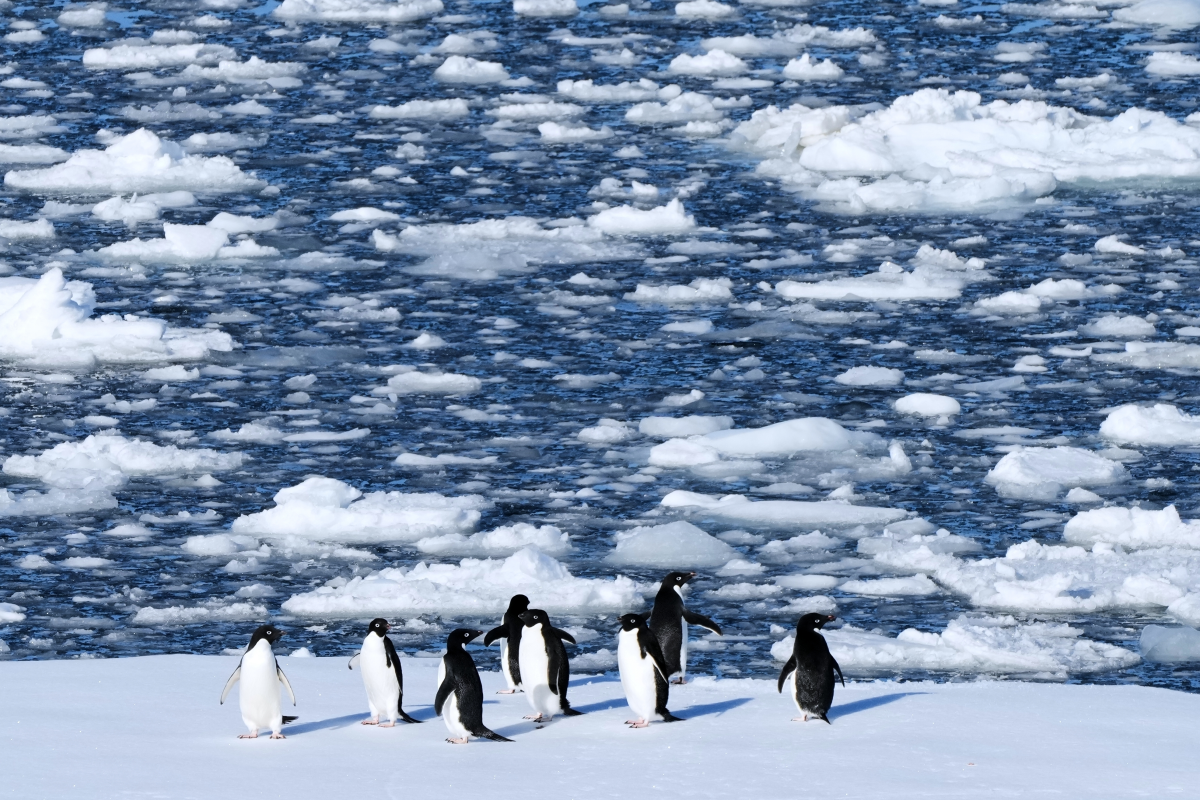
Despite its remote location, the Southern Ocean surrounding Antarctica is far from calm. Powerful waves capable of engulfing ships create a constant hum along the Antarctic Peninsula. While the noise persists, the visual spectacle offers tranquility—a vast expanse of deep blue waters meeting brilliant white ice.
Tourists clad in vibrant jackets often navigate these waters in small boats, scanning with binoculars for orcas, seals, and penguins that inhabit this frozen tundra.
The "Kodak Gap" and Climate Insights
One notable passage, the Lemaire Channel, earns its nickname "Kodak Gap" due to photogenic cliffs and ice structures. This narrow waterway provides visitors a firsthand look at environmental stakes as global temperatures rise, primarily from burning fossil fuels like oil, gas, and coal.
The peninsula ranks among the world's most rapidly warming areas. Its surrounding ocean acts as a critical carbon dioxide sink, absorbing about 40% of human-emitted CO2, according to NOAA data.
Penguin Populations: Diverging Fates
Gentoo penguins, identifiable by slender orange beaks and eye markings, thrive in warming conditions. They increasingly migrate southward, nesting on exposed rocks and fishing in open waters, leading to population growth.
In contrast, Adelie penguins face significant threats. Their reliance on ice for rest and predator evasion makes them vulnerable. Research indicates up to 60% of Adelie colonies could be endangered by 2100 due to warming, which disrupts food sources. NASA reports approximately 149 billion metric tons of Antarctic ice melted annually from 2002 to 2020.
Tourism and Transformation
For visitors, Antarctica remains a glacial wilderness hosting resilient species. In hazardous areas like the Drake Passage, tourists marvel at orcas swimming through narrow channels and petrels soaring overhead.
Yet the region's majestic views are evolving. Expanding Gentoo colonies, diminishing ice floes, and increasing rock exposures across the peninsula highlight a landscape in flux, underscoring profound environmental changes underway.