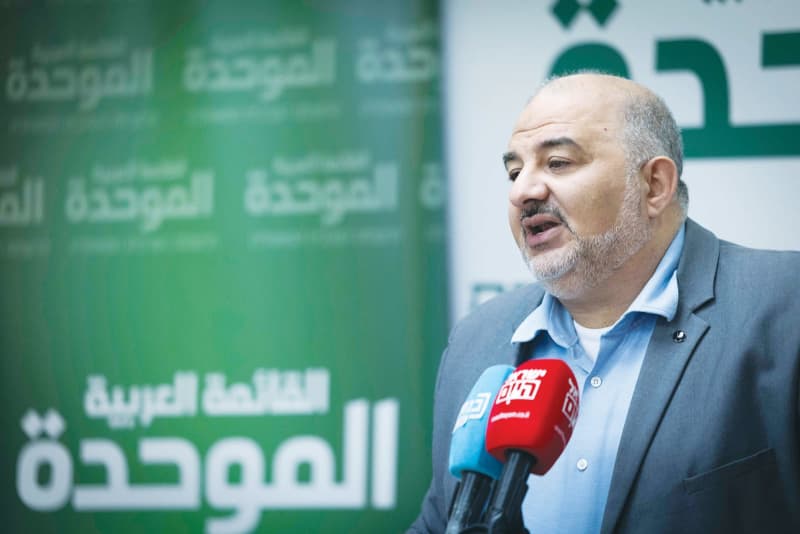
Political analyst Mohammed Darawshe has observed growing frustration among Arab citizens in Israel. "There is anger in the Arab street because the Arab politicians haven’t managed to work together," he stated, highlighting the community's discontent with fragmented political representation.
Speculation about potential general elections has intensified political activity within Israel's Arab sector. The upcoming vote, which would be the first since the Gaza conflict, has drawn significant attention, with Arab parties already mobilizing their campaigns amid internal competition.
A central concern for many observers is whether the four main Arab parties can overcome their differences to form a unified electoral list. Recent discussions, including a conference in Nazareth, have been characterized by disagreements, stalling progress toward a single alliance.
Historical Context of the Joint List
The Joint List, established in 2015, originally united four parties: Ra'am, Hadash, Ta'al, and Balad. This coalition achieved its peak success in 2020, securing 15 parliamentary seats. However, divisions emerged before the 2021 elections when Ra'am withdrew to run independently.
Subsequent elections in 2022 saw further fragmentation. Hadash and Ta'al formed a bloc that won five seats, while Balad failed to meet the electoral threshold. Ra'am separately secured five seats. Since these splits, efforts to reconstitute the Joint List have been unsuccessful.
Darawshe emphasized public sentiment, noting, "Most Arab citizens want the Arab parties to reunite into a joint list." He warned that continued disunity could lead to election boycotts, with surveys indicating voter turnout might drop significantly without a unified list.
Ideological Divides
The inability to reunite stems from fundamental disagreements between two political approaches. One faction, led by Ra'am's Mansour Abbas, advocates for greater integration within Israeli institutions and focuses on civil rights. Abbas made history by joining a governing coalition in 2021.
The opposing camp, represented by figures like Ayman Odeh, prioritizes Palestinian national identity and typically rejects coalition participation to avoid association with contentious government decisions. This group maintains a harder line on issues of Palestinian rights and state recognition.
Abbas defended his pragmatic approach in media comments, stating, "Increasing the number of seats is not a goal in itself. It’s only a tool for achieving our aim, which is to serve the Arab society in Israel." He argued that political power must translate into tangible improvements for Arab citizens.
Odeh criticized this position, describing acceptance of Israel as a Jewish state as compromising fundamental principles. "I believe this issue is an existential matter for us, the Arabs," he contended, referencing historical displacement.
Despite these tensions, Darawshe suggested a "technical unity" might still be possible before elections to consolidate votes, though underlying disagreements would likely resurface afterward.