Federal Agency's Shift in Civil Rights Enforcement
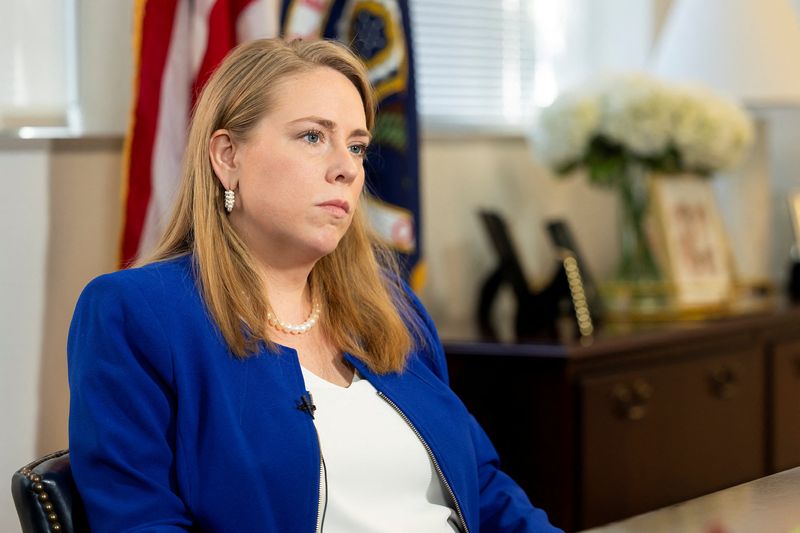
WASHINGTON, Dec 23 - The Equal Employment Opportunity Commission, led by new Chair Andrea Lucas, is adopting what she describes as "a more conservative view of civil rights," with particular attention to cases involving white male workers. This represents a significant departure from previous enforcement priorities.
According to legal and compliance specialists from various corporations, the agency faces substantial challenges in demonstrating that corporate diversity, equity and inclusion initiatives violate existing anti-discrimination statutes. The Trump administration's broader effort to dismantle DEI programs may conflict with long-established workplace equality laws.
Legal Standards Remain High
Former EEOC Chair Jenny Yang emphasized that "In many situations, the work that might fall within the umbrella term of diversity, equity, inclusion is foundational work to prevent discrimination and ensure equal opportunity, which is the employer's obligation under the law." She noted that simply declaring programs illegal doesn't make them so - the agency must build convincing legal cases.
Lucas has indicated she plans to initiate investigations into corporate DEI practices to determine whether employment decisions were based on race or sex. She specifically called for submissions regarding potential discrimination against white men through corporate diversity initiatives.
"If we have a charge of discrimination against you, we're going to use the full force of the federal government to remedy it," Lucas stated. "This is a pro-enforcement, pro-American worker administration."
Evidentiary Challenges
Rutgers law professor Stacy Hawkins explained that individuals alleging discrimination must demonstrate they were denied employment, promotions, benefits or other compensation specifically because they were white and male, and because an employer preferred someone of a different race or sex.
"Most of the time, it is not that white men have been discriminated against, but that the pool of applicants has grown and there is more, legitimate competition from people of color," Hawkins said. She added that historically, the job market featured government-approved exclusion and discrimination before reforms, and now white men face broader competition from qualified diverse applicants.
"The thing that has changed is that other people are not (being discriminated against)," Hawkins noted.
Corporate Responses and Business Rationale
Many corporations have adjusted their diversity programs to maintain legal compliance while preserving their core objectives. A former Detroit automotive executive, speaking anonymously, revealed that "The larger automakers are mostly on top of this with legal audits, rebranding and program modifications."
Former Georgia gubernatorial candidate Stacey Abrams highlighted the business rationale for diversity initiatives, stating that employers recognize the strategic importance of workforces that reflect their customer bases. "DEI is essential for us to ensure that there are pathways to opportunity and that we continue to remove barriers," said Abrams, who founded the nonprofit American Pride Rises in 2023.
She added, "Most people agree with DEI, most companies practice DEI, and most Americans want a democracy that defends DEI."
Political Context and Future Directions
The EEOC's transformation follows nearly a year of activity after President Trump issued executive orders targeting DEI initiatives shortly after taking office in January. These orders eliminated government diversity programs and directed federal agencies to discourage private sector DEI efforts.
Conservative activists like Robby Starbuck are working to transform administration policies into permanent legislation. "I've had a lot of conversations about that with lawmakers because that is a very, very important part of this," he said. "You have got to codify this into law; it's much harder to kill it than if it's an executive order."
Lucas cited a Compact Magazine article alleging job rejections due to diversity hiring initiatives, though such claims have faced criticism from experts and diversity advocates. She expressed readiness to prove in court that DEI programs have harmed white male workers.