
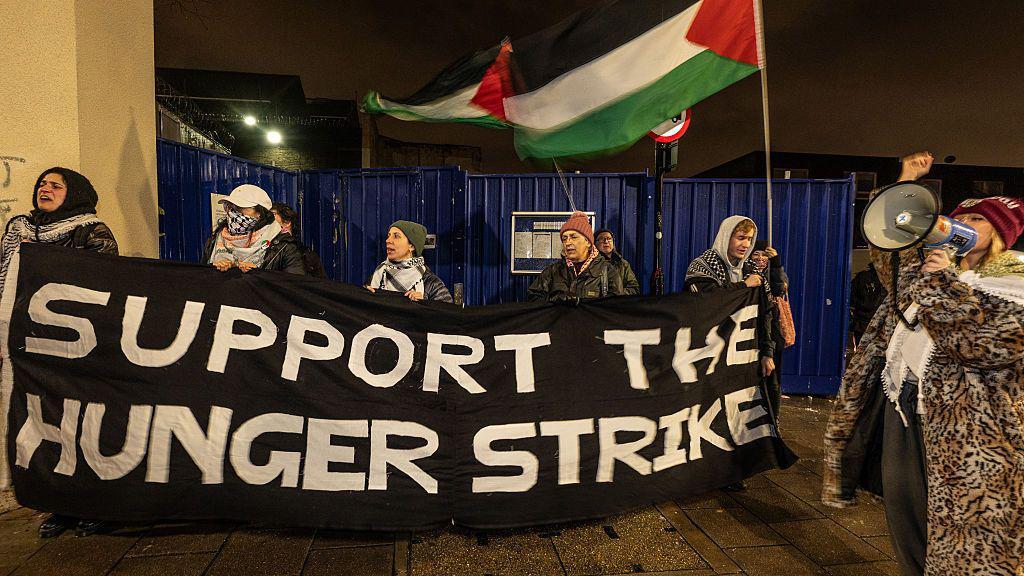
Hunger Strike Developments
According to official correspondence, a third individual held in remand for suspected involvement with the Palestine Action organization has concluded an extended period of food refusal. Qesser Zuhrah, who initiated the protest alongside seven others on November 2, ceased her action after 48 days.
A Ministry of Justice spokesperson stated: "We want these prisoners to accept support and get better, and we will not create perverse incentives that would encourage more people to put themselves at risk through hunger strikes."
Current Status of Protesters
Of the original eight participants, three have now stopped their hunger strikes. Four individuals continue to refuse food, while supporters describe the eighth member as intermittently declining meals due to a pre-existing health condition.
Ms. Zuhrah required hospital treatment last week amid demonstrations outside HMP Bronzefield where protesters alleged she was being denied comprehensive medical care. Ministry officials have previously contested allegations of improper treatment, maintaining they do not publicly discuss individual management cases.
Amy Gardiner-Gibson, also known as Amu Gib, who began her protest simultaneously with Ms. Zuhrah, was reportedly transferred to medical facilities on Sunday, marking the 50th day of her action.
Remaining Participants and Legal Framework
The continuing hunger strikers include Heba Muraisi, Teuta Hoxha, and Kamran Ahmad, who have reportedly refused food for 49, 43, and 42 days respectively—accounts that authorities have not challenged.
Prison and National Health Service protocols mandate that clinical professionals must supervise treatment decisions for individuals refusing food. Medical interventions related to nutrition may only proceed with consent or when clear evidence indicates diminished mental capacity to make such choices.
Legal Proceedings and Demands
Legal representatives for the group have issued a formal warning indicating they will petition the High Court to examine Justice Secretary David Lammy's decision not to engage with their representatives unless they receive a response by 14:00 GMT on Tuesday.
The attorneys reference prison service guidelines requiring staff to "make every effort" to comprehend and address the underlying motivations for food refusal. The group advocates for the removal of restrictions on Palestine Action activities.
The High Court is currently examining the Home Secretary's designation of the organization as proscribed, with a ruling anticipated early next year.
Allegations and Historical Context
Detainees assert they have faced unjust treatment and denial of bail ahead of scheduled trials in 2026 and 2027. Certain aspects of these cases remain unreportable under standard legal provisions designed to preserve fair trial rights for all defendants.
Legal correspondence characterizes the collective action as "the largest co-ordinated hunger strike in British history since 1981," referencing historical IRA protests. The document notes the protest has persisted for up to 51 days, approaching two months, with each passing day presenting substantial life-threatening risks.
Oversight and Government Position
The Care Quality Commission, responsible for monitoring prison healthcare standards, confirmed communication with HMP Bronzefield regarding concerns about proper procedures. The commission has not disclosed the specific nature of the prison's response.
Should ministerial authorities fail to address the legal correspondence by the Tuesday deadline, attorneys may seek judicial intervention on human rights grounds, though judicial review remains uncertain.
Lord Timpson, Minister of State for Prisons, Probation and Reducing Reoffending, commented: "While very concerning, hunger strikes are not a new issue for our prisons. Over the last five years, we've averaged over 200 a year and we have longstanding procedures in place to ensure prisoner safety."
He continued: "Prison healthcare teams provide NHS care and continuously monitor the situation. HMPPS are clear that claims that hospital care is being refused are entirely misleading – they will always be taken when needed and a number of these prisoners have already been treated in hospital."
Lord Timpson concluded: "These prisoners are charged with serious offences including aggravated burglary and criminal damage. Remand decisions are for independent judges, and lawyers can make representations to the court on behalf of their clients. Ministers will not meet with them - we have a justice system that is based on the separation of powers, and the independent judiciary is the cornerstone of our system. It would be entirely unconstitutional and inappropriate for ministers to intervene in ongoing legal cases."