An interstellar comet, first observed entering our solar system in July, is now making its way past Earth as it prepares to leave our cosmic neighborhood. Scientists are seizing this opportunity to gather unprecedented data, particularly through X-ray imaging.
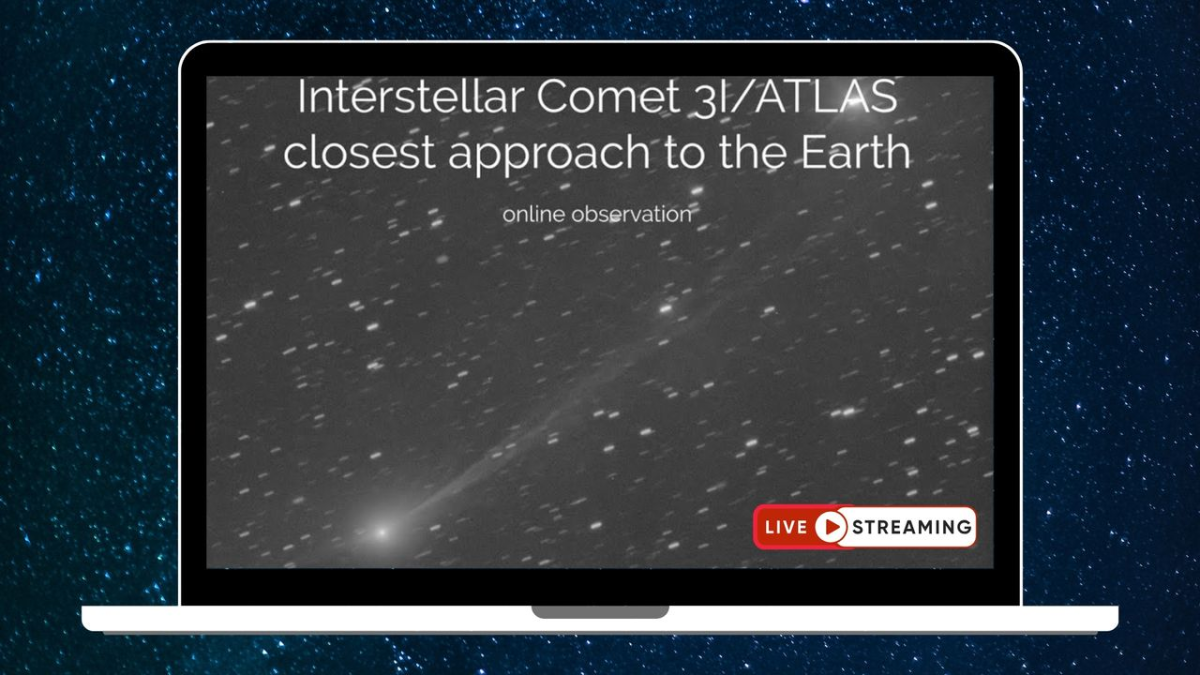
On Friday, comet 3I/ATLAS will reach its nearest point to our planet, passing approximately 167 million miles away—positioned on the opposite side of the sun. While this distance is too great for naked-eye visibility, astronomers with adequate equipment can still track its journey.
According to NASA, the comet will remain detectable via telescopes and space missions for several more months before exiting the solar system entirely. This extended observation window allows researchers to study its characteristics in detail.
Gianluca Masi, an astronomer and astrophysicist at Italy's Bellatrix Astronomical Observatory, noted that the Virtual Telescope Project will host a livestream of the event starting at 4:00 a.m. UTC on Friday. "In the event of cloudy weather, the webcast will be delayed 24 hours," Masi explained.
X-Ray Discoveries Shed Light on Interstellar Composition
Recent observations have yielded significant breakthroughs, particularly in X-ray emissions. While comets from our own solar system are known to emit X-rays, it was unclear whether interstellar comets shared this trait—until now.
Japan's XRISM mission observed 3I/ATLAS for 17 hours in late November using its Xtend telescope. The data revealed X-rays extending up to 248,000 miles from the comet's nucleus, potentially linked to surrounding gas clouds. Further analysis is required to confirm these findings.
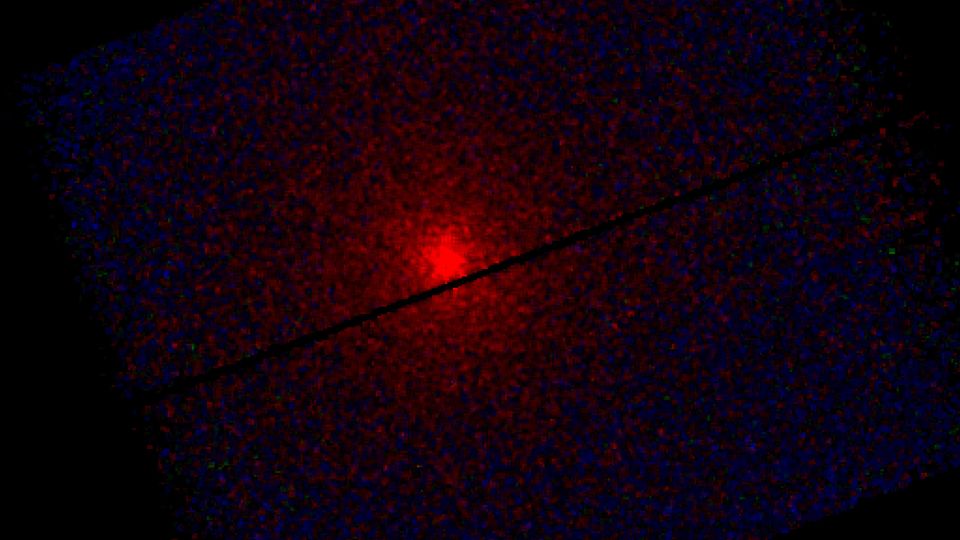
Additionally, the European Space Agency's XMM-Newton observatory captured about 20 hours of data on December 3, producing a striking image showcasing the comet's red X-ray glow. These observations, combined with data from other wavelengths, aim to uncover the comet's chemical makeup and compare it to local solar system comets.
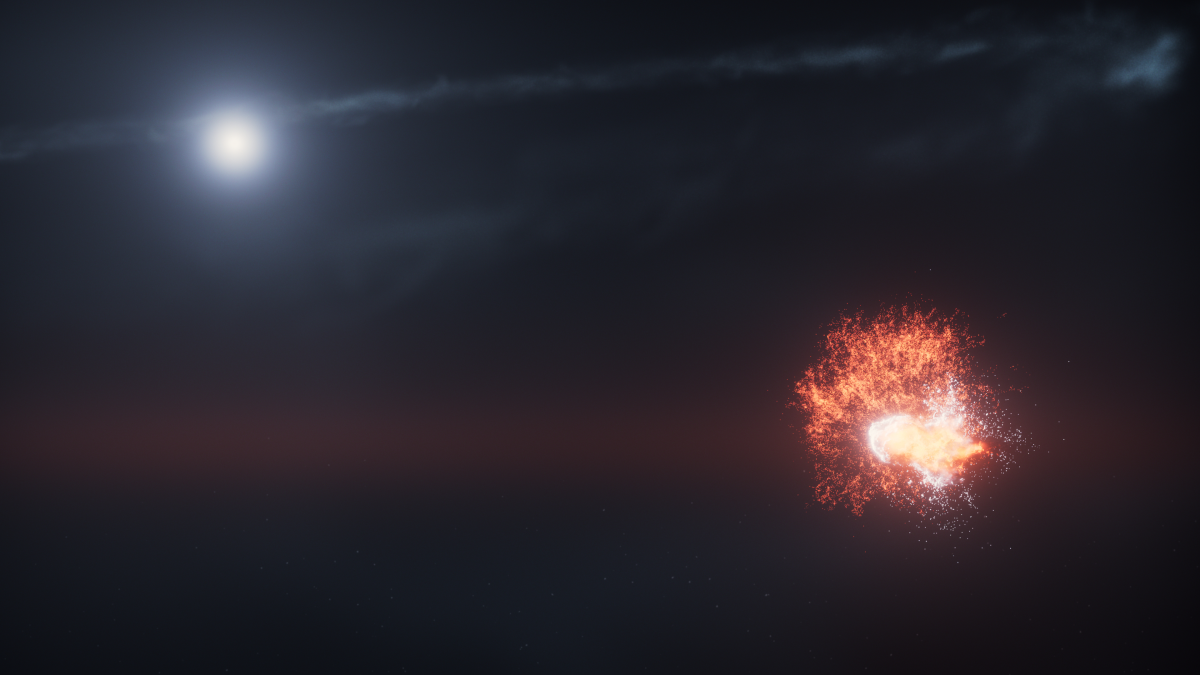
X-ray emissions likely arise from interactions between gases released by the comet—such as water vapor or carbon dioxide—and the solar wind. As comets approach stars like the sun, heating causes materials to sublimate, releasing detectable signatures of elements like carbon, oxygen, and nitrogen.
This research marks a pivotal step in understanding interstellar visitors, following unsuccessful attempts to detect X-rays from previous comets in 2017 and 2019. The insights gained could reshape our knowledge of cosmic bodies beyond our solar system.