NASA employs high-altitude scientific balloons as a cost-effective alternative to space telescopes for conducting advanced research. These balloons ascend to approximately 120,000 feet, placing instruments in the stratosphere above most atmospheric interference, enabling studies in astrophysics, heliophysics, Earth science, and technology development.
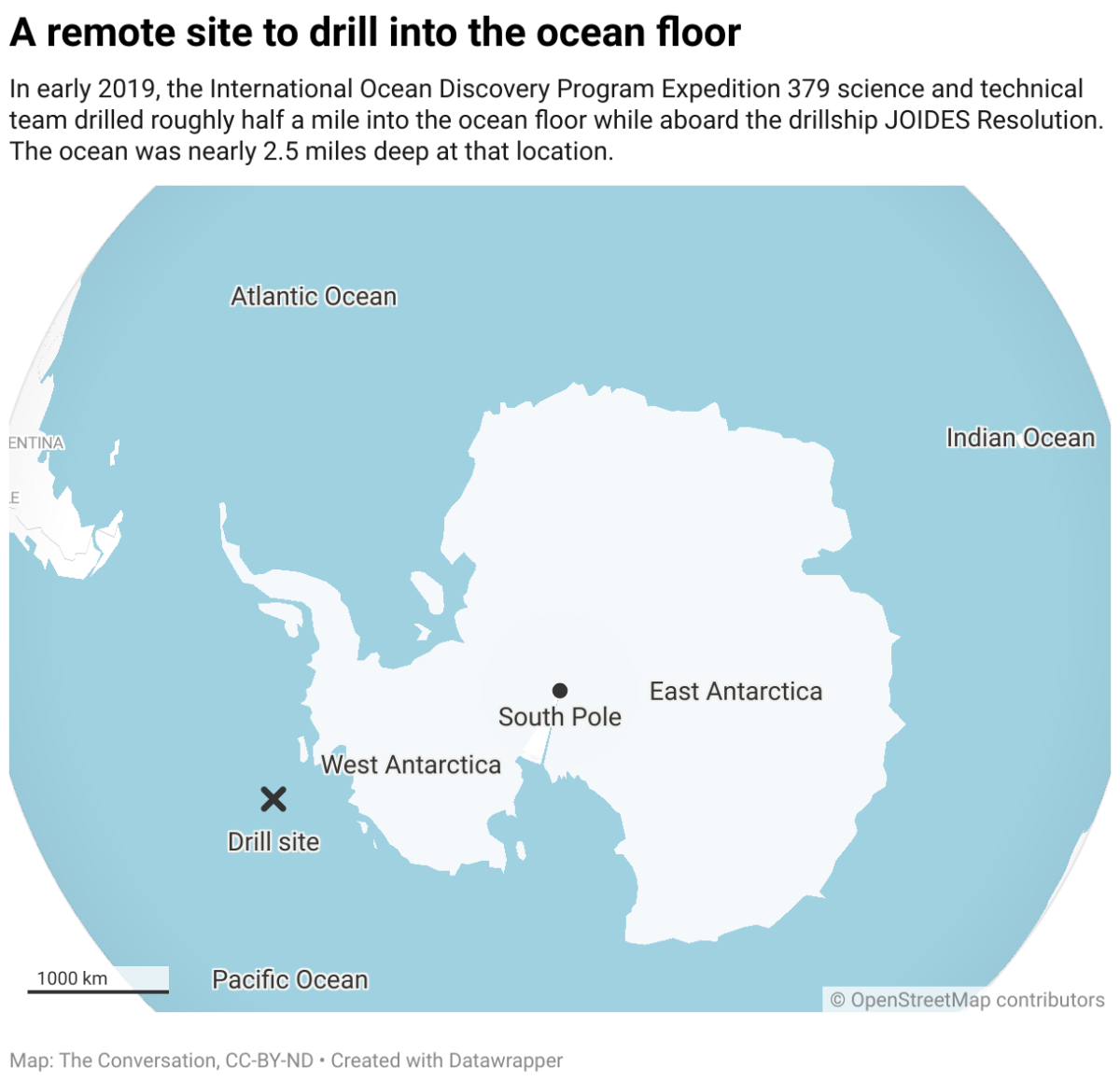
Antarctica serves as an optimal location for these missions due to its unique conditions. The annual Antarctic Long-Duration Balloon campaign operates from the Ross Ice Shelf near McMurdo Station, leveraging continuous summer sunlight and stable wind patterns for extended flights that can last weeks.
Launch Details
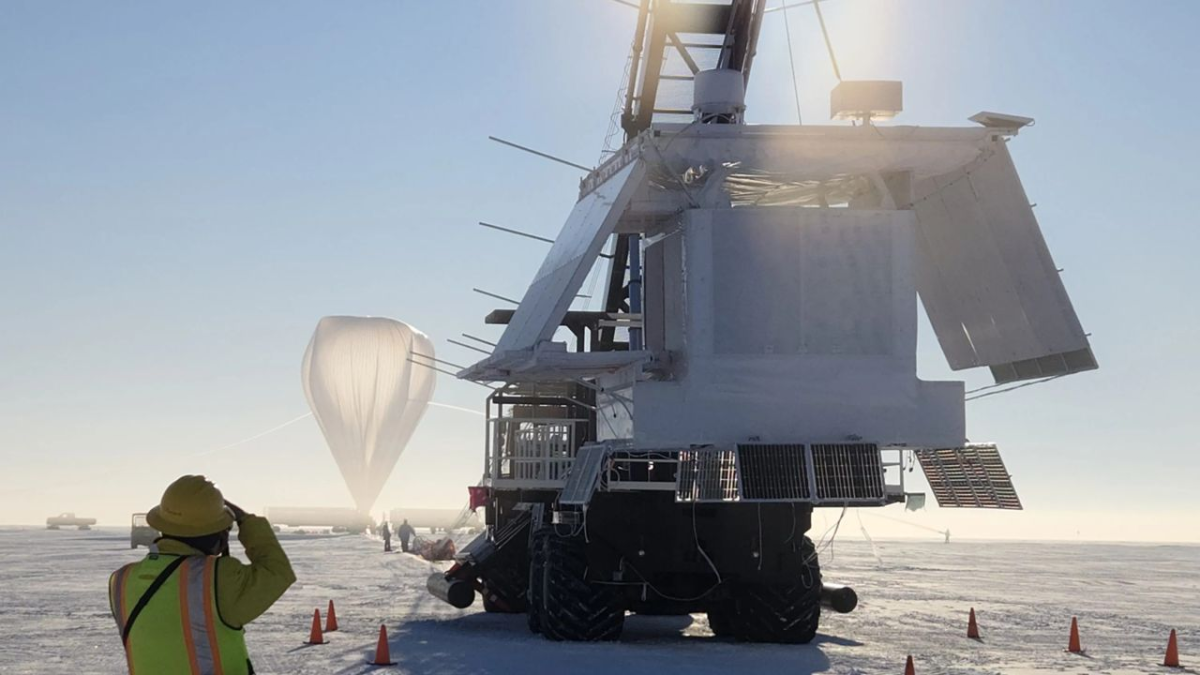
The first balloon of the 2025 campaign took off at 5:30 a.m. NZST on Tuesday, December 16 (11:30 a.m. Monday, December 15 U.S. Eastern Time) from NASA's Antarctic facility. It carried the General AntiParticle Spectrometer (GAPS) experiment to its operational altitude.
NASA confirmed the balloon achieved float altitude at about 120,000 feet above Earth's surface.
Scientific Objectives
GAPS is designed to search for antimatter nuclei in cosmic rays, including antideuterons, antiprotons, and antihelium. Detection of these rare particles, particularly antideuterons, could provide critical evidence about dark matter, which constitutes most of the universe's mass but remains undetectable by conventional means. The experiment utilizes a time-of-flight system to measure particle velocities and a tracker to record interactions.
With the balloon now airborne, the GAPS project is actively collecting data, potentially offering new understandings of cosmic phenomena in the coming months.