Tax-Exempt Nonprofit's Wisconsin Operations
A nonprofit organization based in Georgia has secured substantial property tax relief in Wisconsin while maintaining close connections to a commercial real estate company.
Organization Background
Harmony Housing was established in 2014 by Stephen Rosenberg, who serves as CEO of Greystone, a New York-based for-profit real estate enterprise. In his biography, Rosenberg says he founded the nonprofit Harmony Housing for the purpose of "acquiring and preserving affordable housing." The organization's official legal designation is Foundation for Affordable Rental Housing Holdings Inc.
Wisconsin Tax Exemption Details
Under Wisconsin regulations, nonprofit entities can qualify for property tax exemptions when they dedicate at least 75% of units to low-income residents and demonstrate charitable objectives. From 2016 through 2022, Harmony acquired 33 buildings across multiple Wisconsin communities including Milwaukee, Racine, Pleasant Prairie, and Brookfield. Tax documentation indicates the organization claimed approximately $6.8 million in affordable housing tax exemptions beginning in 2017, with about $2.2 million originating from Milwaukee properties.
Currently, Harmony retains ownership of at least eight Wisconsin properties. Five of these—three in Milwaukee plus one each in Sun Prairie and Fitchburg—remain exempt from property taxation. These exemptions shift financial burdens to other taxpayers who must support local services like schools, emergency response, and infrastructure maintenance.
Property Condition Concerns
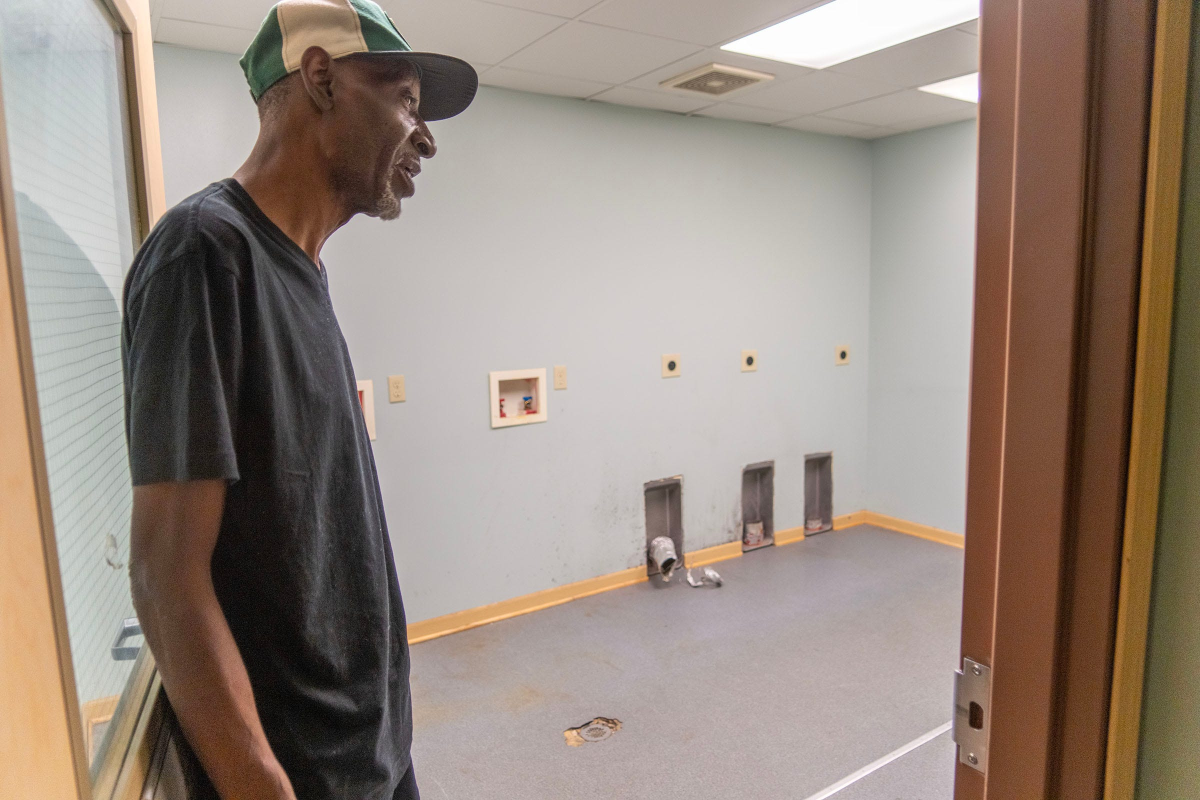
Inspection reports and resident accounts indicate deteriorating conditions at several Harmony-owned properties following acquisition. Issues included accumulated waste, malfunctioning entryways, pest problems, and delayed maintenance responses. In 2023, Harmony transferred much of its Wisconsin and national portfolio through a $1.2 billion joint venture arrangement. Documentation shows resident complaints diminished after properties changed ownership.
Corporate Connections
Financial filings reveal multiple links between Harmony Housing and Greystone:
Seven of Harmony's eleven board members have held executive positions at Greystone, including Rosenberg himself. Another board member is identified as Rosenberg's sister. Between 2021 and 2023, Harmony reported annual payments exceeding $13 million to Greystone for property management services. The nonprofit also directed millions in contributions to other organizations associated with Greystone.
While shared leadership isn't prohibited, federal tax regulations forbid nonprofits from operating primarily to advance private interests rather than legitimate charitable missions. Neither Harmony Housing nor Greystone provided responses to inquiry requests. No governmental entity has alleged violations of nonprofit or tax statutes by either organization.
Charitable Contributions
Harmony's tax documents show significant donations to Greystone-connected nonprofits. During 2019 and 2020, Harmony contributed $9 million total to the Murray and Sydell Rosenberg Foundation, which Greystone's CEO oversees and which primarily supports Israeli and Jewish initiatives. From 2021 through 2023, Harmony provided over $35 million to NHNFP Healthcare Inc., a nonprofit Greystone launched in 2021 that operates nursing facilities under the AbleHearts name.
Lloyd Mayer, a professor at Notre Dame Law School who specializes in nonprofit tax law, said a nonprofit's board members have a legal duty to ensure donations align with an organization's stated mission.
Regulatory Oversight Limitations
Local assessors monitor property tax exemptions but face resource constraints. Milwaukee City Assessor Nicole Larsen has said years of budget cuts eliminated the office's dedicated exemptions team, leaving staff to focus on over 150,000 taxable properties and new exemption requests.
Federal supervision remains minimal, with the IRS examining fewer than 0.2% of tax-exempt charities annually. The Wisconsin Department of Financial Institutions verifies nonprofit registration but possesses limited regulatory authority.
"It is such a piecemeal world when it comes to charitable organization regulation," the agency's chief legal counsel, Matt Lynch, said. "There isn't a one-stop shop agency to go to."