Skywatchers have one more opportunity this year to witness a meteor shower as the Ursids make their annual appearance. This celestial event, the final meteor display of 2025, will reach its maximum intensity from Sunday night into Monday morning and will be observable through December 26.
While not as spectacular as some other showers like the Geminids or Perseids, the Ursids still offer a delightful viewing experience for astronomy enthusiasts during the holiday season. The shower originates from debris left by comet 8P/Tuttle, which was first identified in 1790.
Understanding the Ursids
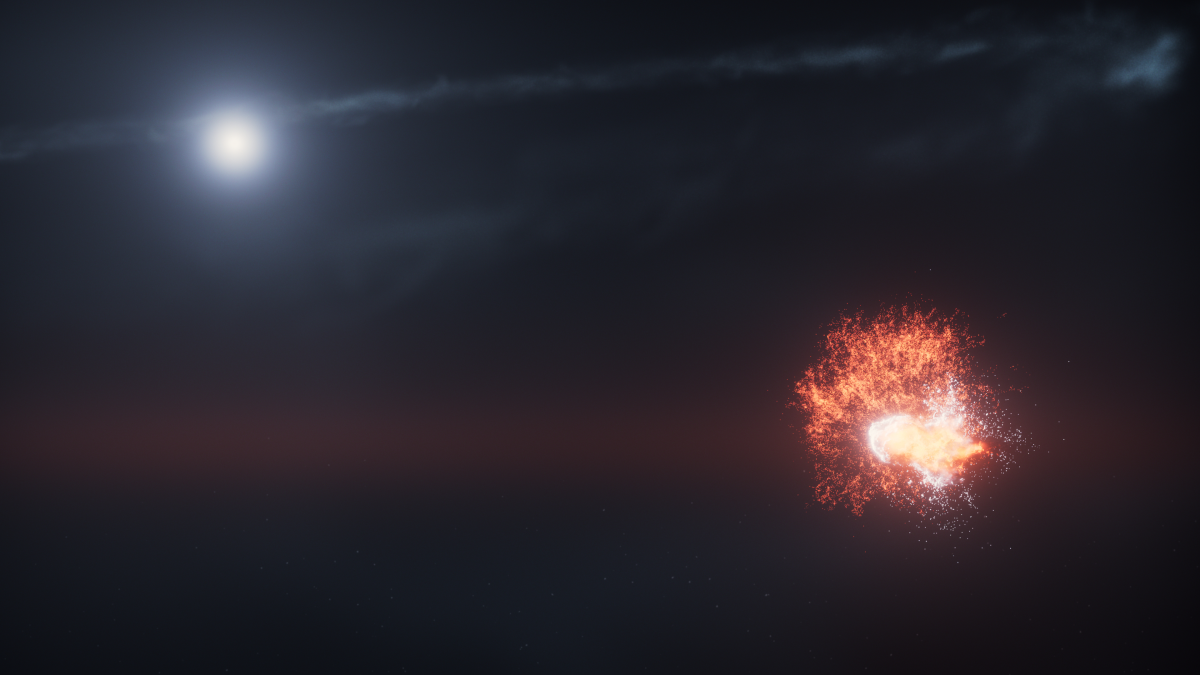
Meteor showers occur when particles from comets enter Earth's atmosphere and burn up, creating the familiar streak of light known as a shooting star. The Ursid meteor shower results from material shed by comet 8P/Tuttle. This particular comet produces less debris than others, resulting in a more modest meteor display.
Viewing Details and Visibility
Observers in the Northern Hemisphere will have the best chance to see the Ursids from December 21 through December 26. During the peak period, the American Meteor Society anticipates approximately five to ten meteors per hour, though some observers might spot up to twenty-five.
Favorable viewing conditions are expected this year as the moon will be in a thin crescent phase during the shower's peak, minimizing interference from moonlight that can sometimes obscure fainter meteors.
Optimal Viewing Tips
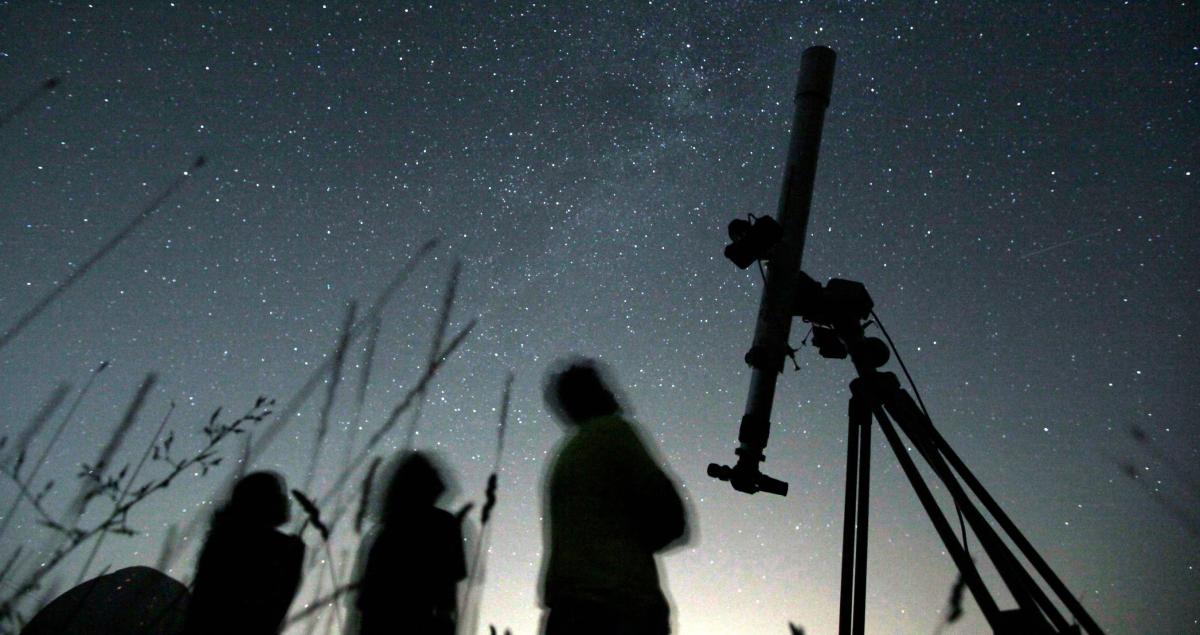
The highest meteor activity is forecast for around 5 a.m. Eastern Time on December 22. To maximize your chances of seeing the shower, find a location with minimal light pollution and allow your eyes time to adapt to the darkness. No special equipment is required to enjoy this natural light show.