December 21 marks the winter solstice, the darkest day of the year in the Northern Hemisphere, but it also heralds the gradual return of longer daylight hours.
Understanding the Solstice
The term "solstice" originates from Latin words meaning "sun" and "pause," reflecting the sun's apparent halt in its annual journey across the sky. During this event, the sun follows its shortest and lowest path, resulting in minimal daylight for northern regions.
In contrast, the Southern Hemisphere experiences its summer solstice simultaneously, enjoying the longest day of the year as astronomical summer begins there.
Earth's Tilt and Seasonal Changes
Our planet's axial tilt causes uneven sunlight distribution between hemispheres throughout the year. The solstices represent extreme points when this tilt is maximized—either toward or away from the sun—creating the most significant disparities in day length.
For the Northern Hemisphere, the winter solstice occurs when Earth leans farthest from the sun, typically between December 20-23. Conversely, the summer solstice happens around June 20-22 when the northern half tilts closest to our star.
Equinoxes and Seasonal Definitions
Equinoxes occur when Earth's axis aligns with its orbit, granting equal daylight to both hemispheres. The name derives from Latin terms for "equal night," though day and night lengths vary slightly by location.
Meteorological seasons differ from astronomical ones, dividing the year into three-month periods based on temperature patterns rather than celestial movements. By this system, winter officially starts December 1, while astronomical winter begins with the solstice.
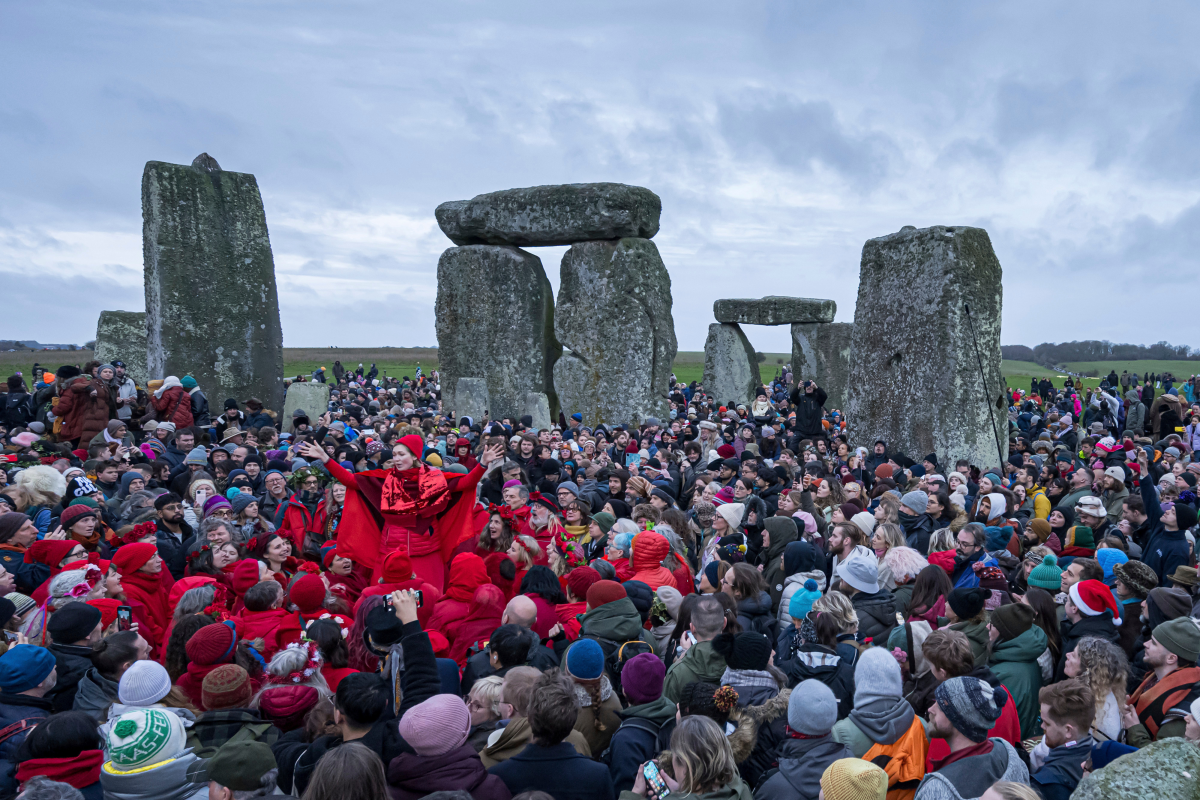
Historical celebrations like those at Stonehenge demonstrate humanity's long-standing recognition of these celestial events, which continue to mark seasonal transitions worldwide.